Global deal value hit $1.2 trillion in Q1 2026, up 34% year-on-year, as the rate environment shifted to close the valuation gap that had paralysed deal pipelines for two years. The sectors moving fastest, and the PE dry powder about to be deployed.

Key Takeaways
After two years of frozen pipelines, stalled processes, and frustrated corporate development teams, the dealmaking environment has shifted decisively. Global M&A deal value reached $1.2 trillion in Q1 2026, up 34% year-on-year according to data compiled by Dealogic, the strongest opening quarter since the frenzied peak of 2021, and a signal that the structural conditions that had suppressed activity are finally abating. The catalyst, as expected, is the rate environment.
When the Federal Reserve began its gradual easing cycle in late 2024, the immediate effect on M&A markets was more muted than many anticipated. Deals don't close when rates drop; they close when buyers and sellers agree on price. And for most of 2024, the memory of peak valuations from 2021 kept seller expectations elevated while buyers, still financing in a relatively expensive rate environment, couldn't bridge the gap. That bid-ask dynamic has now narrowed dramatically, from a 22% average spread at the 2023 trough to just 8% in Q1 2026, according to Goldman Sachs advisory data. When buyer and seller expectations converge, deals happen.
The sector distribution of Q1 deal flow reveals much about where corporate strategists see structural opportunity. Technology remains the most active sector by deal count, driven by a wave of capability acquisitions as non-tech companies race to internalise AI functions rather than remain permanently dependent on third-party vendors. Healthcare is running a close second, with pharma companies deploying cash from the patent cliff mitigation strategies of recent years into biotech platforms, digital health infrastructure, and specialty pharma assets. Industrials, long a quiet corner of the M&A market, are seeing elevated activity driven by supply chain restructuring and the nearshoring investment wave that continues to reshape global manufacturing.
"The deals that got shelved in 2023 didn't go away. The strategic logic was still there. What changed was the denominator, rates came in, multiples stabilised, and suddenly the math worked again." , Sandra Okafor, Managing Director, M&A Advisory, Barclays Investment Bank
Behind the corporate M&A story lies a more pressing dynamic in the private equity market. PE firms globally are sitting on a record $2.8 trillion in dry powder, uncalled capital committed by limited partners but not yet deployed. With many funds approaching the end of their investment periods and LPs expressing increasing frustration at the lack of activity and distributions, 2026 is shaping up as a year of intense deployment pressure. Several large GPs have indicated to their investors that they expect to put 25–30% of their undeployed capital to work in the next 12 months.
That creates a powerful tailwind for deal activity in the second half of 2026. PE buyers, historically disciplined on entry multiples, are now facing a different kind of risk: the career risk of being a cautious capital allocator in a market that is clearly recovering. Senior partners at three of the top-10 PE firms by AUM have told advisory bankers in recent weeks that they are prepared to be modestly more aggressive on valuation to ensure they don't miss the early stages of a recovery that could run for several years.
For corporate development teams at strategic acquirers, the practical implication is heightened competition for quality assets. The era of PE under-bidding is likely over for the current cycle. Companies that want to secure transformative acquisitions will need to move with greater speed and conviction than they have been accustomed to in the recent past, and their finance functions will need to be equipped to support rapid, high-quality diligence processes in a market where the best assets are attracting multiple simultaneous offers.

A survey of 600 finance executives finds AI is reshaping capital allocation at a pace most organisations were unprepared for.

Top-quartile companies generate 23% more free cash flow by mastering the working capital levers most finance teams overlook.
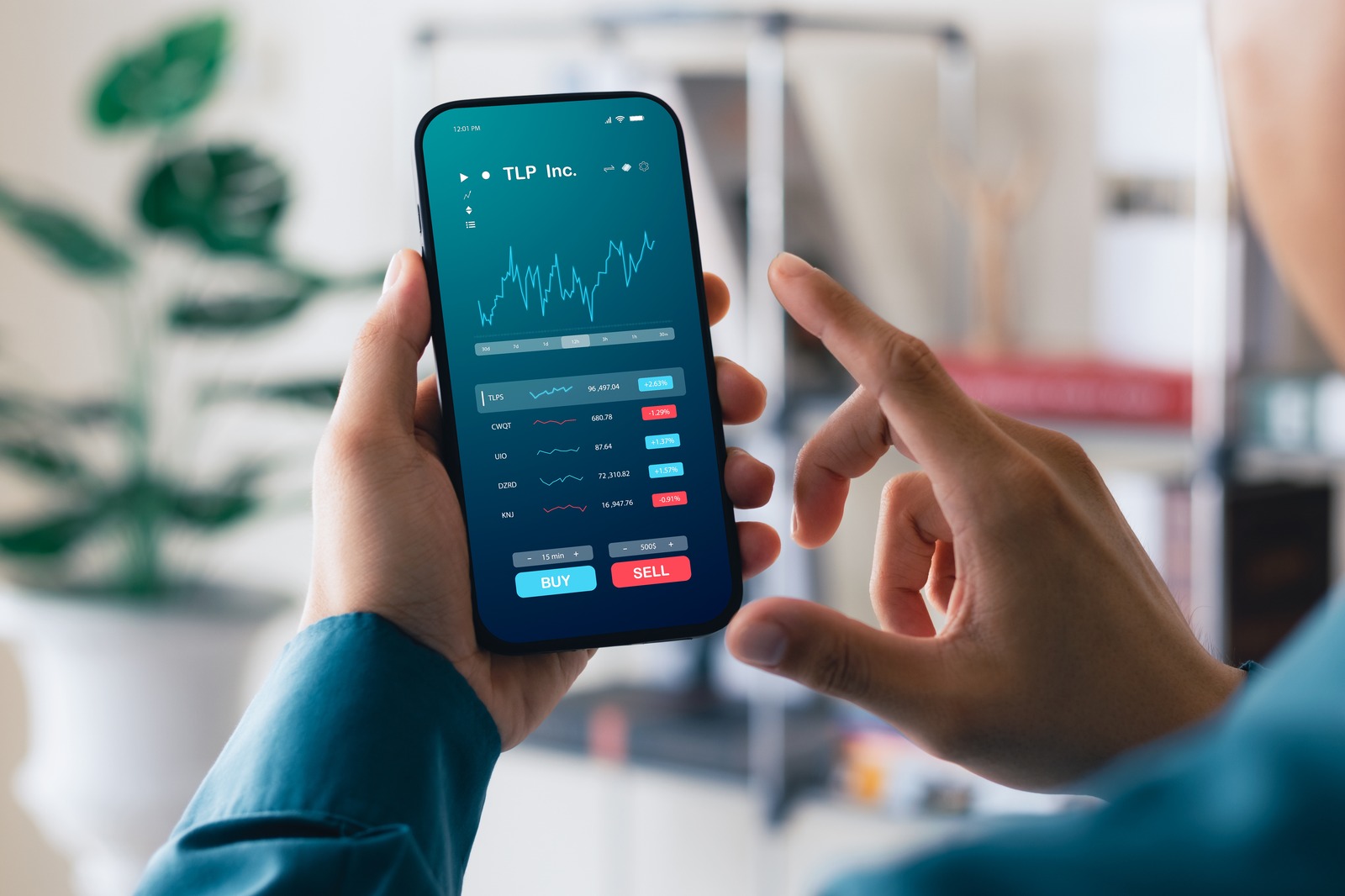
Passive investing dominance reaches a new milestone as ETF assets surpass active mutual fund AUM for the first time in history.
