Manufacturers with more than 40% of their inputs sourced from China are reporting an average 18% increase in landed costs. Finance leaders describe the scenario modelling, nearshoring analysis, and treasury hedging strategies they are deploying in response.
Key Takeaways
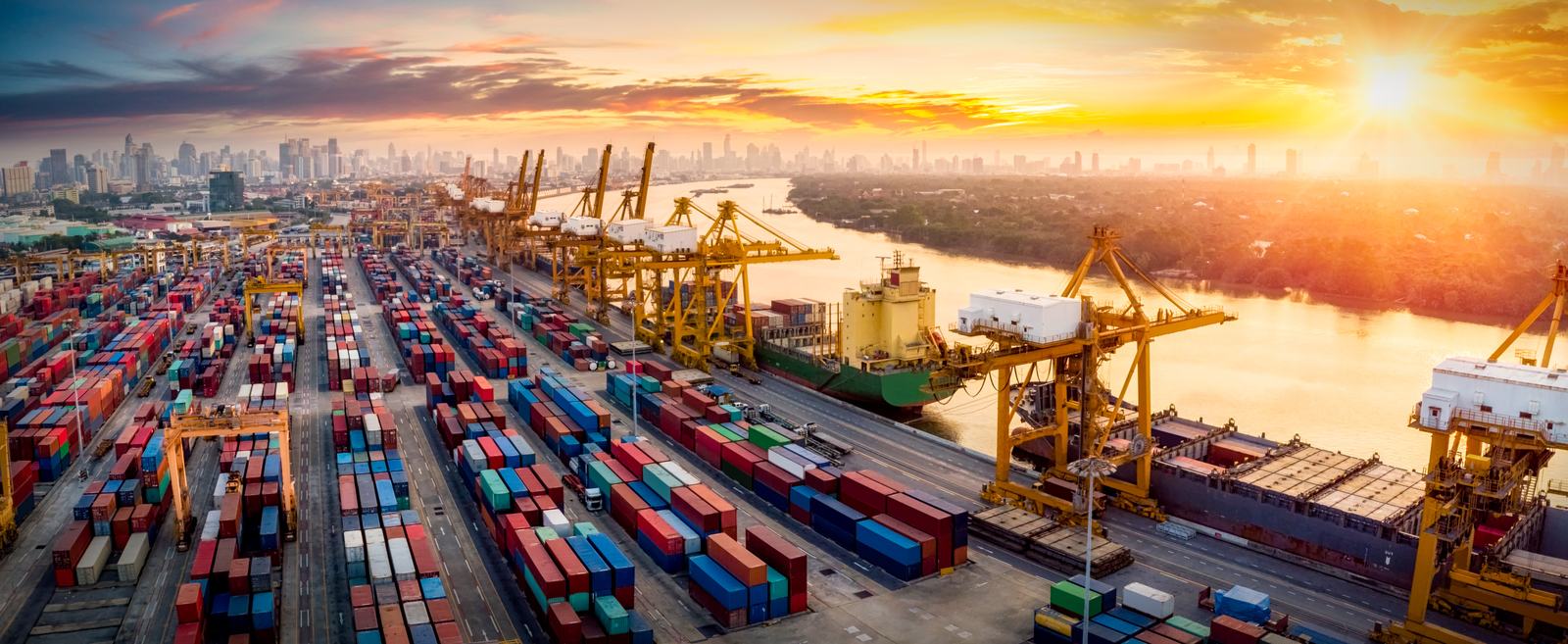
The arithmetic is punishing and, for many finance leaders, still not fully absorbed into their cost structures. Manufacturers that sourced more than 40% of their inputs from China in 2024 are now looking at average landed cost increases of 18%, according to a survey of 340 supply chain finance executives conducted by the Council of Supply Chain Management Professionals in Q1 2026. That figure represents the combined effect of tariff rates on goods of Chinese origin, currency movements, and the logistics cost increases associated with supply chain rerouting. For a company with $500 million in China-sourced input costs, it translates to $90 million of additional annual expense, a number that cannot be absorbed quietly into margins.
"We had modelled a 10% cost increase as our severe scenario two years ago," said Alan Marsh, CFO of a mid-cap electronics manufacturer who participated in the survey. "We're now at 21% on our core components. The models were wrong, and the speed at which the policy environment moved meant we didn't have time to execute the supply chain changes we'd been discussing. Now we're managing a very expensive problem in real time."
The theoretical solution to tariff exposure is supply chain diversification, moving sourcing to countries outside the direct line of fire. Mexico, Vietnam, India, and Thailand have all emerged as primary beneficiaries of the nearshoring and friend-shoring trend, attracting significant foreign direct investment from manufacturers seeking to reduce China dependency. The financial analysis of that shift, however, is more nuanced than the strategic narrative suggests. Nearshoring to Mexico or Southeast Asia typically introduces unit labour costs 8–15% higher than China equivalents, requires a 12–24 month transition period during which the old supply chain must run in parallel, and involves significant capital investment in new supplier qualification, tooling, and logistics infrastructure.
The net present value of nearshoring is positive for many companies, particularly those with high tariff exposure and long-horizon planning horizons, but it is not universally positive in the short term. Finance teams that are building the business cases for supply chain restructuring are discovering that the analysis requires more scenario sensitivity than a standard capex model, because the key inputs, future tariff rates, currency movements, and country-specific labour cost inflation, all carry meaningful uncertainty over the typical 5-year investment horizon.
While structural supply chain changes play out over years, treasury functions are deploying shorter-horizon tools to manage the cost volatility that tariffs inject into financial planning. Currency forwards, locking in exchange rates on anticipated foreign currency payments, are the most commonly used instrument, and their application has expanded significantly as finance teams have come to understand that tariff costs are partially denominated in renminbi terms even when the transactions occur in dollars. Commodity derivatives are the second major hedging tool, particularly for companies with large exposures to metals, chemicals, or agricultural inputs that are subject to both direct tariffs and supply disruption effects.
"Tariffs are not just a cost problem, they're a volatility problem. You can manage the average cost if you can eliminate the variance. That's where treasury has a genuine value-add that goes beyond traditional FX hedging." , Wei Zhang, Group Treasurer, Harrington Industrial Holdings
The most sophisticated finance functions are building real-time scenario modelling tools that update cost projections automatically as trade policy announcements are made, currency rates move, and logistics data feeds are refreshed. Several large manufacturers have invested in dedicated trade policy monitoring capabilities, either in-house or through specialist advisory firms, that provide finance teams with immediate impact assessments when tariff changes are announced, rather than the multi-week lag that characterised the initial responses to the 2025 tariff escalations.
The deeper lesson for finance leaders may be the one that is hardest to operationalise: supply chain cost models built for a world of relatively stable trade policy are structurally inadequate for the environment of the mid-2020s. Building models that treat trade policy as a live risk variable, with explicit scenario trees, probability-weighted cost projections, and decision triggers linked to policy thresholds, is not an optional enhancement. For companies with significant cross-border supply chains, it is fast becoming a basic expectation of prudent financial management.
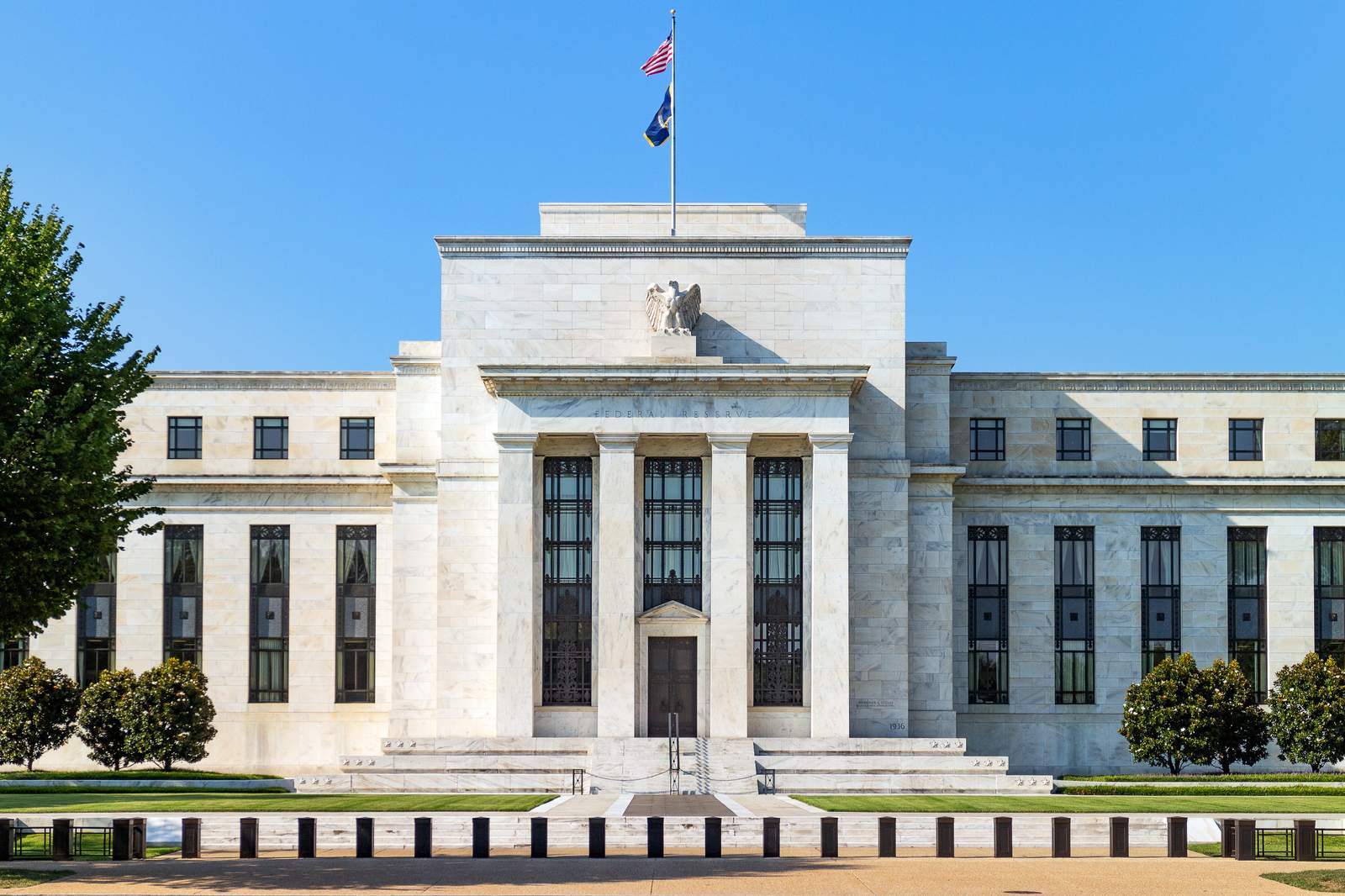
With three rate cuts priced in by futures markets, finance leaders must plan across three distinct scenarios, each with different implications.

Services inflation at 4.1% vs. 1.2% for goods signals a structural shift that challenges conventional inflation playbooks.

Global deal value hits $1.2 trillion in Q1 2026 as falling rates close the valuation gap between buyers and sellers.
