Services inflation at 4.1% and goods inflation at 1.2% as of April 2026, a divergence with no clear historical precedent. Understanding the structural drivers is essential for any finance leader trying to model corporate pricing power or anticipate the Fed's next move.

Key Takeaways
The standard inflation narrative, that it arrived, it peaked, and it is now retreating to target, is accurate at the headline level and profoundly misleading below the surface. As of April 2026, U.S. services inflation is running at 4.1% year-on-year, while goods inflation has retreated to just 1.2%. The gap between those two numbers is not a rounding error. It reflects fundamentally different economic dynamics in the two halves of the economy, with implications for monetary policy, corporate pricing strategy, and business planning that are still not fully priced into most organisations' forecasts or frameworks.
"The problem for the Fed is that the tools they have work really well for demand-driven inflation in goods markets," explained Dr. Marcus Reid, chief economist at Thornfield Research and a former policy advisor to the Bank of England. "They work much less well for services inflation that is driven by structural supply constraints, housing, healthcare, insurance. You can raise rates until the economy stalls and shelter costs won't come down, because you haven't added a single housing unit. It's a different problem requiring a different set of solutions."
The Thornfield analysis identifies three categories of services expenditure accounting for the majority of the persistent inflation overshoot. Housing costs, primarily equivalent rent measures, continue to run well above pre-pandemic norms as new supply lags well behind population growth and household formation. Healthcare inflation reflects both underlying cost structure changes in the sector and the multi-year repricing cycle of insurance contracts that has been working its way through the system since 2022. Insurance broadly, auto, home, and liability, is experiencing a structural repricing as carriers try to restore profitability after years of underpriced risk.
What all three categories share is that they are impervious to monetary policy in the short run. Rate rises reduce demand for discretionary goods and cool investment. They do not build hospital capacity, reduce medical labour costs, or add housing supply. The Fed is, in effect, applying a blunt instrument to an inflation problem that has become structurally localised in sectors where the supply response operates on a 5–10 year horizon.
The wage component of services inflation adds a further complication. Services sector wage growth is running at 4.8% annually, substantially above the 2.5–3% pace that would be consistent with 2% inflation at historical productivity growth rates. The feedback loop is familiar: higher wages lead to higher service prices, which lead to higher cost-of-living pressure on workers, which leads to higher wage demands. Breaking that loop without triggering a significant labour market downturn has proved difficult in every historical episode of persistent services inflation, and the current cycle is showing no signs of being different.
"Services inflation is not going to 2% in the next 12 months. The structural drivers aren't going away. The question for finance leaders is not when it gets to target, it's how to run a business assuming it doesn't for the foreseeable future." , Dr. Marcus Reid, Thornfield Research
For business leaders, the services/goods inflation divergence has a direct read-through to pricing strategy. Companies operating in services-intensive sectors, healthcare, technology services, professional services, hospitality, are finding that their customers' willingness to accept price increases is higher than in a normalised environment, because inflationary expectations in those sectors remain elevated. Companies that have invested in pricing analytics and dynamic pricing capabilities are capturing 2–3 percentage points of higher EBITDA margin expansion than peers who are still using annual list price reviews as their primary pricing mechanism.
The timeline implication for the Fed is equally important for financial planning. If services inflation remains sticky at 3.5–4.5% while goods inflation stabilises near 1%, the composite PCE deflator, the Fed's preferred measure, will remain above target indefinitely. The Central Bank faces a choice between accepting a higher-for-longer inflation plateau or tightening sufficiently to cause meaningful economic contraction. Neither option is comfortable, and the probability that the Fed navigates a clean soft landing, 2% inflation and no recession, has diminished meaningfully in the past six months of inflation data.
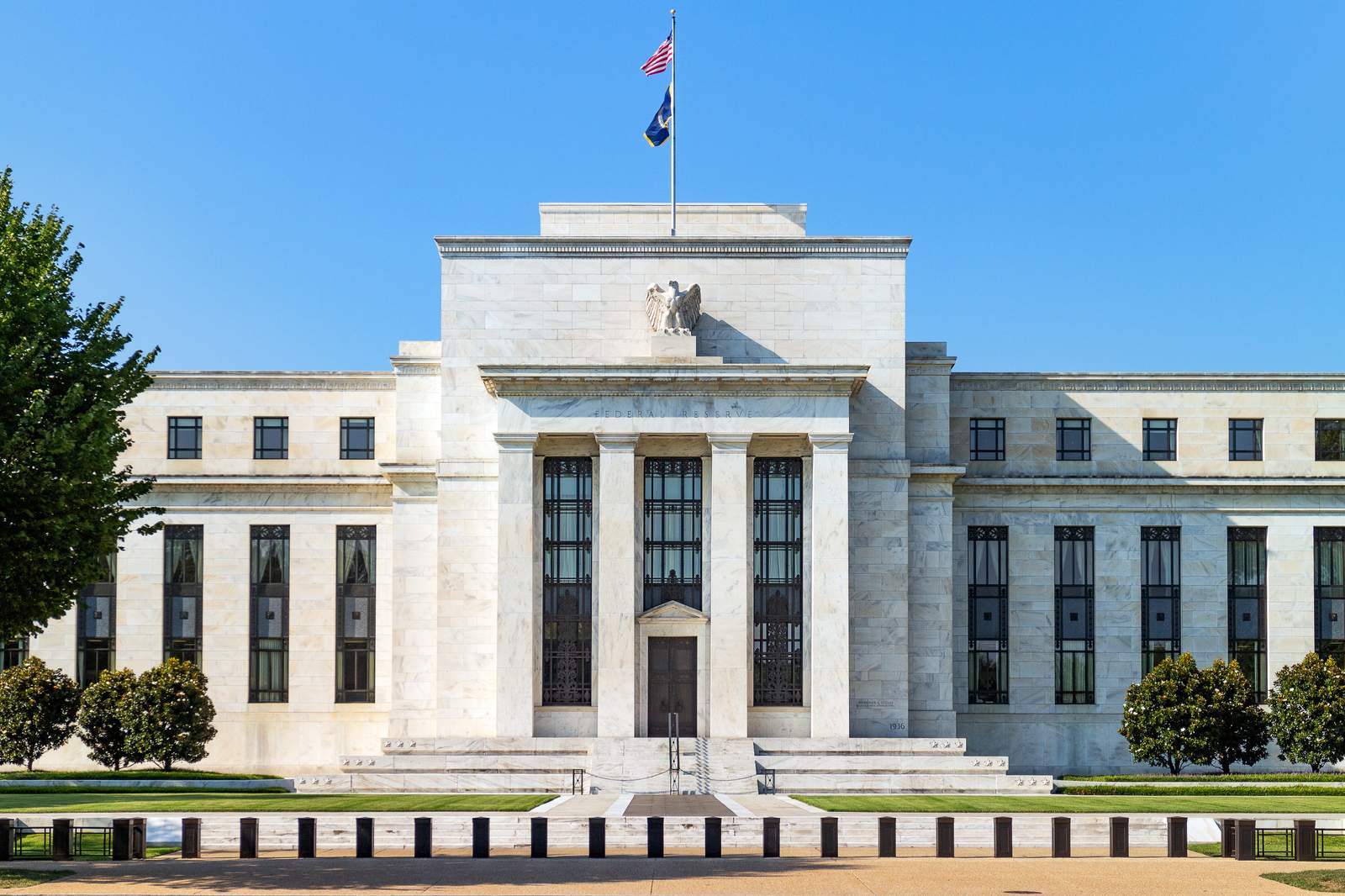
With three rate cuts priced into futures markets, finance leaders must plan across three distinct scenarios, each with different capital implications.

An 18% average increase in landed costs for China-heavy manufacturers is forcing a complete rebuild of cost models and hedging strategies.

New Deloitte research finds 78% of CEOs now regard their CFO as their most important strategic partner, up from 41% in 2019.
