Business Finance Weekly
Search and filter sharp, essential coverage across every finance topic that matters.

The Fed's September hike raised the cost of carrying every unpaid invoice, just as late payments hit roughly seven in ten North American suppliers. Receivables are now a financing decision, and most finance teams still run them as a back-office chore.

The Fed's first rate increase since 2023 moved its median 2027 rate projection from 3.6% to 4.1%, right as finance teams lock next year's budgets. Plans built on June's rate path are now pricing the wrong cost of money.

France's mandatory B2B e-invoicing regime went live September 1, the leading edge of a wave crossing more than 30 countries by 2030. Most finance teams' AR and ERP infrastructure isn't built for it.

Two independent 2026 surveys, one of 200 billion-dollar CFOs and one of roughly 300 finance practitioners, both found that only about 21% can point to measurable value from AI.

New research from Deloitte maps the capabilities separating the CFOs who are driving strategic transformation from those still playing defence, and the specific behaviours that define the difference.

The SEC's final climate disclosure requirements are now in effect. Finance and legal teams walk through the six areas most likely to require new data infrastructure and external assurance.

Most large-scale finance transformation programmes miss their targets. A new study of 150 transformations identifies the three design choices that separate successful programmes from expensive failures.

Non-bank platforms have captured $22 billion in financial services revenue in three years. We look at which legacy institutions are mounting a credible competitive response, and which are losing ground.

A sweeping meta-analysis of 40 years of market data asks whether the growth premium has permanently compressed, and what that means for portfolio construction in 2026.

The Basel IV capital requirements are now live. A frank assessment of where most institutions stand, which gaps are most urgent to close, and what supervisors are likely to scrutinise first.

Finance teams are losing top analysts to better-paying roles in tech and consulting at an accelerating rate. Leaders who have cracked the retention problem share what actually works.

Risk teams are deploying AI models faster than governance frameworks can keep up. Regulators are watching, and the institutions that get ahead of this now will have a significant compliance advantage.

Passive investing dominance is accelerating. New flow data shows institutional and retail investors shifting allocations at a pace that is fundamentally reshaping fee structures across the industry.

As AI reshapes every function of the enterprise, CFOs face a defining moment, transform the capital allocation model or risk being outmaneuvered by faster-moving competitors.

The CFPB's new rulemaking agenda covers areas previously outside its remit. In-house counsel and compliance officers break down the five areas with the highest near-term exposure for financial institutions.
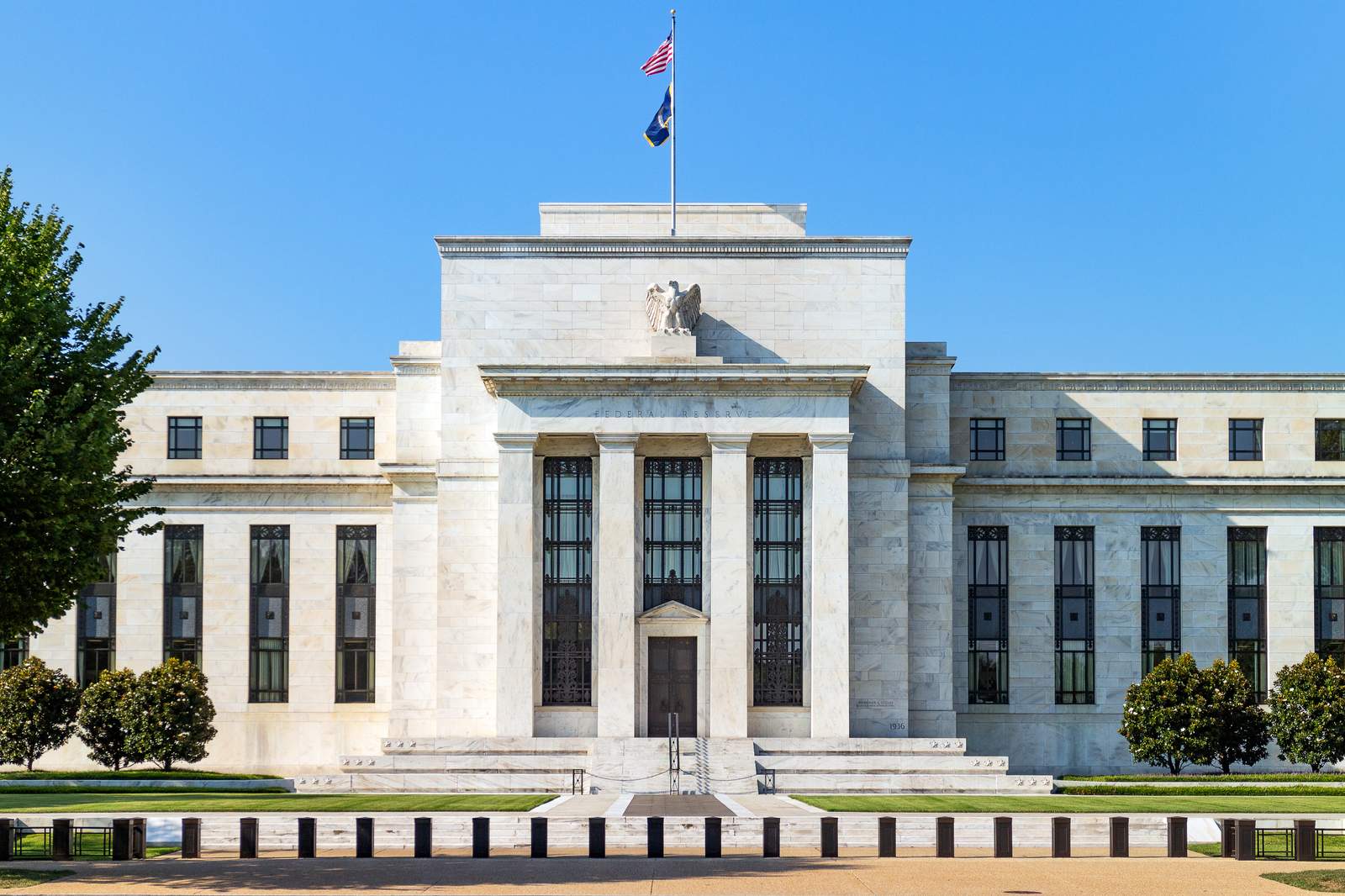
Finance leaders need a framework for navigating the Fed's evolving rate posture. Economists break down three scenarios, and the capital planning implications of each.

Hype aside, what does real institutional adoption of digital assets look like right now? We surveyed 200 asset managers and corporate treasurers to get an honest read on where the market truly is.

Quantitative analysis of 12,000 earnings events reveals that markets systematically overpunish minor misses, creating a recurring mispricing opportunity for patient long-term investors.

After two years of suppressed deal flow, the pipeline is opening up. Bankers and corporate development teams share what the next 18 months of M&A activity is likely to look like, and which sectors will lead.

The ripple effects of new trade policy are forcing finance teams to rebuild cost models from the ground up. Here is the analytical framework leading CFOs are using to stress-test their assumptions.

New benchmarking data shows that companies in the top quartile of working capital efficiency generate 23% more free cash flow than peers, yet most CFOs rank it low on their priority list.

Stubborn pockets of service-sector inflation are persisting even as goods prices normalise. What the data reveals about the structural shifts driving this divergence, and how long it can last.
Try a different search term or topic filter.
