The system that has taken 1099 files for decades closes on November 19. Its replacement checks every return before it accepts it, which turns bad vendor data from a notice you deal with later into a rejection you deal with in January's filing rush.
Key Takeaways
Most finance teams never think about how their 1099s reach the IRS. A payroll provider or accounting package sends them, or someone in accounts payable uploads a file once a year and moves on. That routine is about to break for a large group of companies. The IRS is retiring the system those uploads go through, and the replacement does not just receive files. It checks them first. With a fifth of taxpayer IDs failing verification in one large sample, the quality of the vendor master file is about to become a filing problem rather than a back-office one.
The deadlines are close. As PayrollOrg reported from the IRS's own reminder, November 1 was the last day to send test returns through FIRE, November 9 is the last day to change an existing Information Returns application, and November 19 at 3 p.m. ET is the last day to file anything through FIRE at all. After January 1, 2027, IRIS is the only way to e-file the 1099 series, covering current-year returns, prior-year returns and corrections.
The step most likely to catch a company out is the Transmitter Control Code. A FIRE TCC cannot be used in IRIS, so every FIRE filer needs a new one, and the IRS cautions that processing an application can take up to 45 business days. A team that applies today could still be waiting into January, when year-end returns are due. The IRS's IRIS page describes two ways in: a Taxpayer Portal that takes up to 100 returns at a time, keyed in or uploaded as a .csv file, and an application-to-application channel that handles thousands of returns in transmissions of up to 100 MB. The A2A route requires successful Assurance Testing System transmissions before any live data can be sent. Any business filing 10 or more information returns already has to file electronically.
Payroll and 1099 service providers transmit under their own codes, so their clients may notice little change. The exposure sits with companies that have been uploading their own files, typically from an accounting system export or a spreadsheet assembled by AP each January.
The structural change matters more than the new login. On its State of Tax 2026 page, Sovos calls the move "the most significant structural change to U.S. information reporting in four decades." FIRE validated returns after accepting them. IRIS validates in real time, before acceptance. FIRE required whole replacement files to fix mistakes, while IRIS supports targeted corrections. Put simply, an error that used to surface months later as an IRS notice can now stop a return at the door.
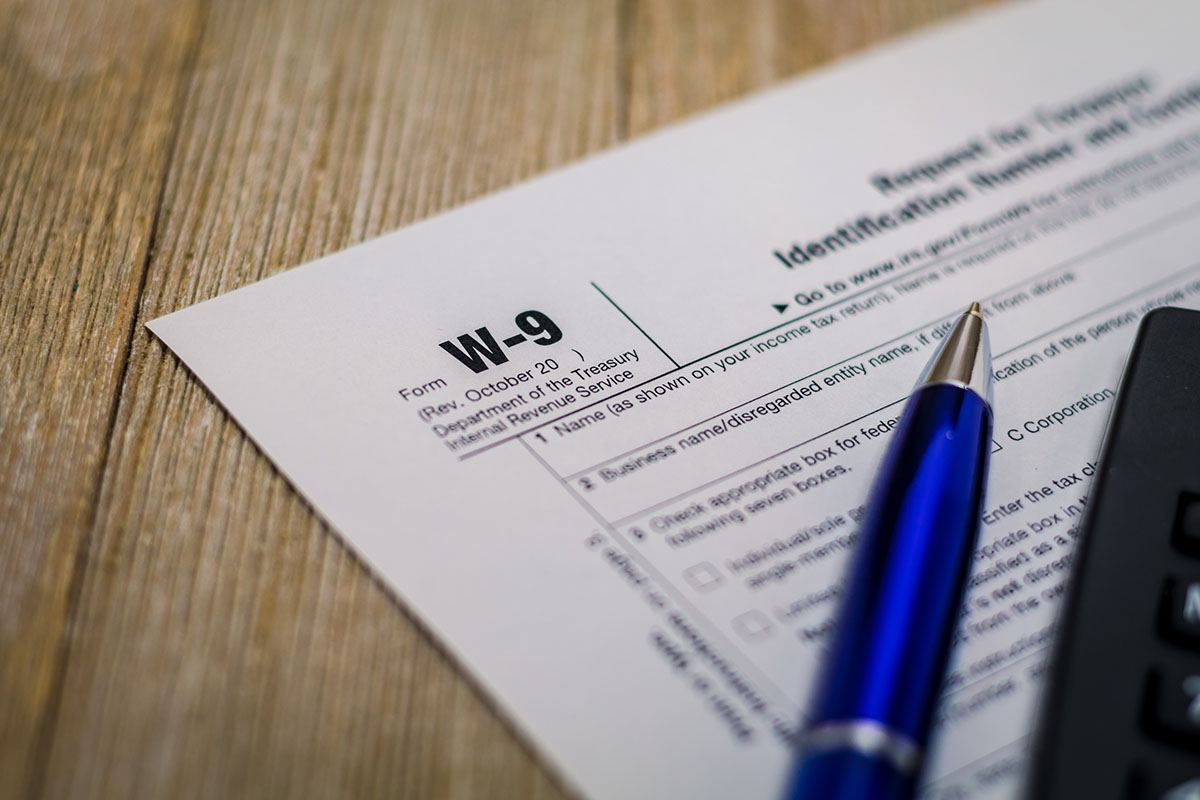
That is where the data quality numbers start to bite. Sovos says it ran nearly 60 million taxpayer identification number checks for customers in 2025, after more than 55 million in 2024, and that in both years one in five came back incorrect. A vendor that supplied a wrong or outdated TIN on its W-9, or a name that no longer matches IRS records, was always a compliance problem. Under real-time validation it becomes a workflow problem too, landing on the same AP team that is closing the books for year-end. The fix is no different from before (verify the TIN when the vendor is onboarded, not when the 1099 is due), but the cost of skipping it is now immediate.
Information reporting is not the only place where the volume of change is outrunning manual processes. Sovos's 2026 State of Tax Report, released October 28, counts more than 700 U.S. sales tax rate changes in 2026, up from 600 in 2025, and expects more than 60 countries to add, update or modify tax compliance mandates in the coming year. The company says it tracks rules across more than 1,700 jurisdictions and draws on more than 70 billion transactions it handles each year.
Budgets are not keeping pace. Sovos reports that 91% of finance leaders prioritize lowering or maintaining compliance costs in the year ahead, and that automating tax processes is an investment priority for 94% of organizations. Chief Marketing Officer Chris Lynch said businesses "need information they can trust." The report's broader argument, that tax authorities now hold more data about a company's transactions than the company does, is vendor framing, and Sovos does not disclose sample sizes for its survey figures. The IRIS switch is a concrete case of it, though: the IRS is moving its checks upstream, and the company with the cleaner data gets through first.

Guide
With more than 700 U.S. sales tax rate changes this year, exemption certificates and customer tax data are the B2B equivalent of a vendor TIN. This guide covers how to manage that data and multi-state nexus without adding headcount.
Download

Guide
IRIS checks returns as they arrive, so 1099 totals need to tie to the ledger before January, not after. This guide explains continuous accounting and real-time reconciliation, the habits that keep year-end filings from becoming a scramble.
Download

Guide
The companies hit hardest by the FIRE shutdown are the ones exporting their own 1099 files from an entry-level ledger. This guide helps software-company finance leaders spot when their accounting system has become the constraint.
Download
Better audits mean more scrutiny of the reports and estimates finance hands over.

Confidence in e-invoicing readiness is running well ahead of actual automation.

A new tax on software subscriptions arrives before its rules are final.
